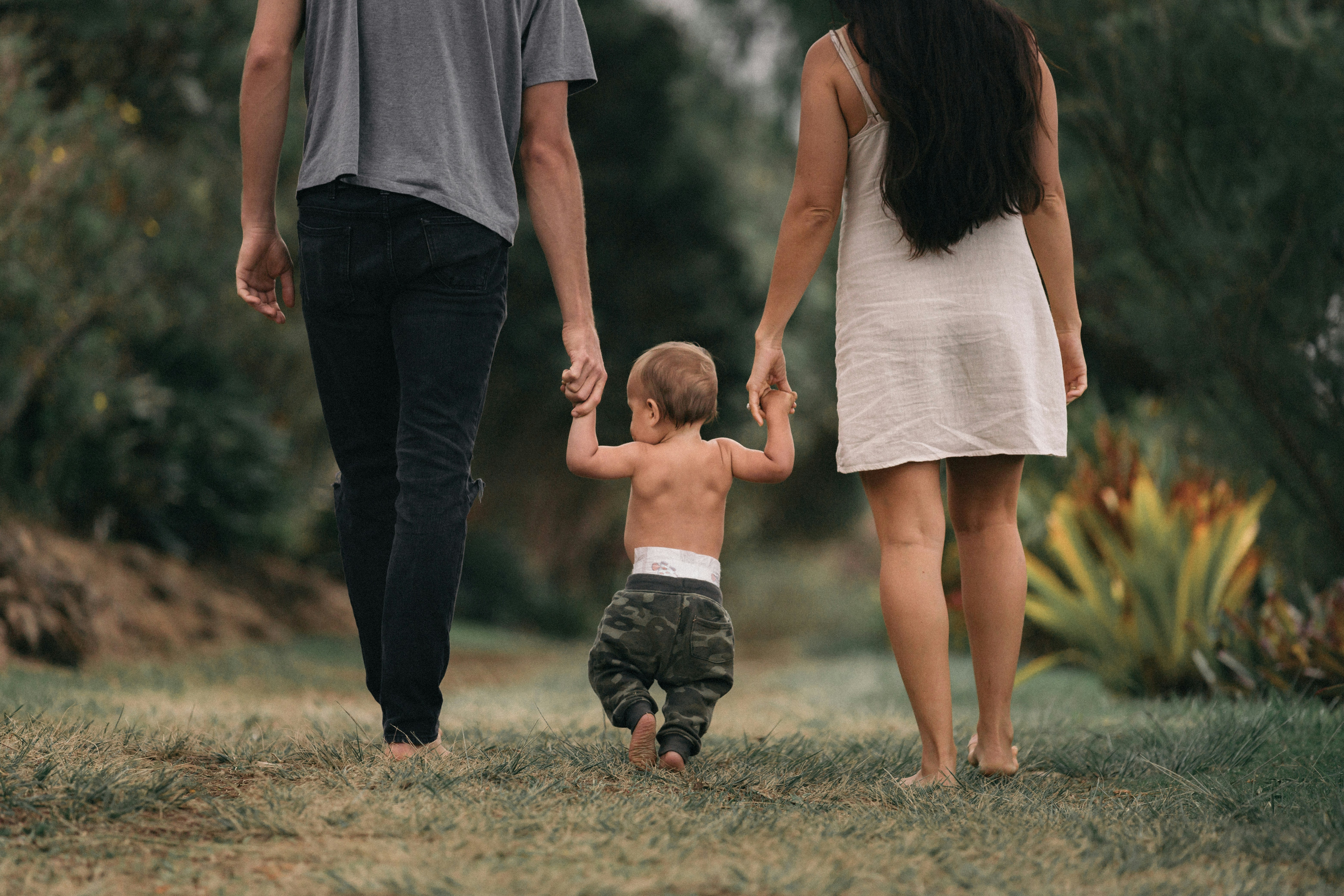
The Importance of Active Play for Young Children
Active play is crucial for the holistic development of children aged 3-5 years. During this formative stage, engaging in outdoor activities fosters not only physical growth but also emotional, social, and cognitive development. The physical benefits of active play include improved motor skills, balance, and coordination, which are essential for children to navigate their environments effectively and safely. Activities that involve running, jumping, and climbing allow young children to harness their natural energy, promoting a healthier lifestyle from an early age.
Furthermore, outdoor play significantly enhances social skills. When children engage in group activities, they learn the importance of teamwork and collaboration. These social interactions encourage communication, negotiation, and empathy, which are vital components of building friendships and navigating social situations as they grow. As kids work together to overcome challenges, they build confidence in their abilities to contribute to shared goals.
Active play also has profound emotional benefits. It is during outdoor experiences that young children can explore their feelings, learn self-regulation, and experience joy in their achievements. This sense of accomplishment is instrumental in fostering a positive self-image. Additionally, varied outdoor environments stimulate children’s innate curiosity, allowing them to explore new textures, sounds, and sights. Such sensory experiences enhance cognitive growth, as children begin to associate their physical actions with the resulting consequences, leading to essential problem-solving skills.
In conclusion, encouraging active play through outdoor toys not only supports physical fitness but also nurtures emotional resilience and cognitive development in young children. By providing opportunities for active engagement, caregivers can set the stage for a well-rounded growth experience, laying a strong foundation for lifelong learning and fitness.
Criteria for Choosing the Best Outdoor Toys
When selecting outdoor toys for young children aged 3 to 5 years, several essential factors must be taken into account to ensure that the toys are suitable, safe, and conducive to active play. One of the primary considerations is safety. Toys should be constructed from non-toxic materials and designed without sharp edges or small parts that could pose choking hazards. It is also critical to ensure that the toys meet established safety standards, which can provide peace of mind for parents and caregivers.
Age-appropriateness is another vital factor to consider. Toys should be designed specifically for the developmental stage of preschoolers, encouraging not only physical activity but also cognitive and social skills. For example, toys that involve basic structures, such as blocks or balance beams, can promote motor skills while also engaging children in imaginative play.
Durability is equally important because outdoor play can be rough and demanding. Choosing toys that are built to withstand different weather conditions and rough handling will ensure longevity and continued enjoyment. Look for materials such as high-quality plastics or treated wood that can resist fading, rust, or splintering.
Furthermore, considering the educational benefits of outdoor toys can enhance the play experience. Toys that inspire creativity, teamwork, and problem-solving skills are invaluable. For instance, sports equipment can foster physical exercise while teaching children about teamwork and fair play. It is beneficial to choose toys that support both individual and group engagement. By selecting options that promote collaborative activities, children can develop vital social skills while enjoying active play in their outdoor environment.
Top 10 Outdoor Toys for Active Play
Encouraging active play among young children is crucial for their physical and social development. With this in mind, here are ten outdoor toys that stand out for children aged 3-5 years, fostering creativity, coordination, and fun.
1. Tricycle: A classic choice, tricycles promote balance and pedaling skills. They come in various designs, making them appealing to children, while also helping to improve their leg strength and coordination.
2. Jump Rope: This simple yet engaging toy enhances cardiovascular health and motor skills. Jumping rope encourages children to develop rhythm and timing, making it an excellent choice for active outdoor play.
3. Balance Bike: Designed for children just learning to ride, balance bikes help improve balance and coordination without the complexity of pedals. These bikes encourage outdoor exploration while building confidence in young riders.
4. Sandbox: A sandbox provides endless opportunities for imaginative play. Children can dig, build, and create, promoting fine motor skills while engaging in sensory exploration with sand.
5. Inflatable Play Structure: These large, inflatable toys offer a safe environment for jumping, crawling, and climbing. They are excellent for group play and can cater to various interests, from slides to obstacle courses.
6. Outdoor Slide: Slides encourage children to develop their climbing skills and enjoy thrill-seeking. The varying heights and designs available make it easy to find a suitable slide for any outdoor space.
7. Hula Hoops: An entertaining way to improve coordination and flexibility, hula hoops can be used in various games, enhancing physical fitness while providing lots of fun.
8. Water Table: A water table provides a fantastic way for children to engage in imaginative play while developing sensory skills. Filling, pouring, and splashing promote hand-eye coordination and creativity.
9. Outdoor Activity Sets: These inclusive sets often include various games like bean bag toss, ring toss, or even miniature soccer goals, promoting teamwork and competitive spirit while keeping children active.
10. Frisbee: This flying disc is perfect for teaching throwing and catching skills. Frisbees encourage kids to run and be active outdoors, providing an excellent opportunity for family or group play.
These top ten outdoor toys not only promote active play but also offer opportunities for children to develop crucial physical skills while having a fantastic time outside.
Tips for Encouraging Outdoor Play
Encouraging outdoor play among children aged 3 to 5 is essential for their physical and cognitive development. As parents and caregivers, there are various strategies you can implement to foster an environment that promotes active play. One effective approach is to organize playdates with their peers. These gatherings not only provide children with social interaction, but they also create opportunities for cooperative play, enhancing their motivation to engage in outdoor activities. Scheduling regular playdates can help establish a routine that prioritizes outdoor fun.
Another important element is to create a stimulating outdoor environment. This can be achieved by investing in outdoor toys such as climbing structures, slide sets, or even simple items like balls and jump ropes. A well-equipped outdoor space invites children to explore and discover, sparking their creativity and imagination. Additionally, consider integrating natural elements such as gardens, sandpits, or water play areas, as these environments can significantly enhance children’s interest in outdoor activities.
Setting up challenges or games can further inspire children to play outside. Simple activities like scavenger hunts, obstacle courses, or timed races can incite excitement and friendly competition among young ones. You can tailor these activities to your child’s interests and abilities, ensuring that they remain engaged without feeling overwhelmed.
In today’s digital age, incorporating technology judiciously can also enhance outdoor enjoyment. Utilizing applications that promote physical activity, such as geocaching or adventure-based games, encourages children to explore their surroundings while providing an element of guided play. However, it is crucial to maintain a balance between screen time and active outdoor engagement. By following these tips, families can cultivate a culture of outdoor play, supporting their children’s growth and well-being.